
International news often reaches readers through headlines before they see the original announcement. A headline such as “UN Warns of Economic Crisis” or “WHO Declares Global Emergency” may summarize an official statement, but the wording can also reflect the journalist’s interpretation. For accurate research, the most reliable approach is to trace the story back to the original document and then compare how different media organizations reported it.
The goal is not to collect as many articles as possible. A stronger research process identifies the original announcement, checks when information was published, examines who reported it, separates official statements from interpretation, and records unresolved differences between sources.
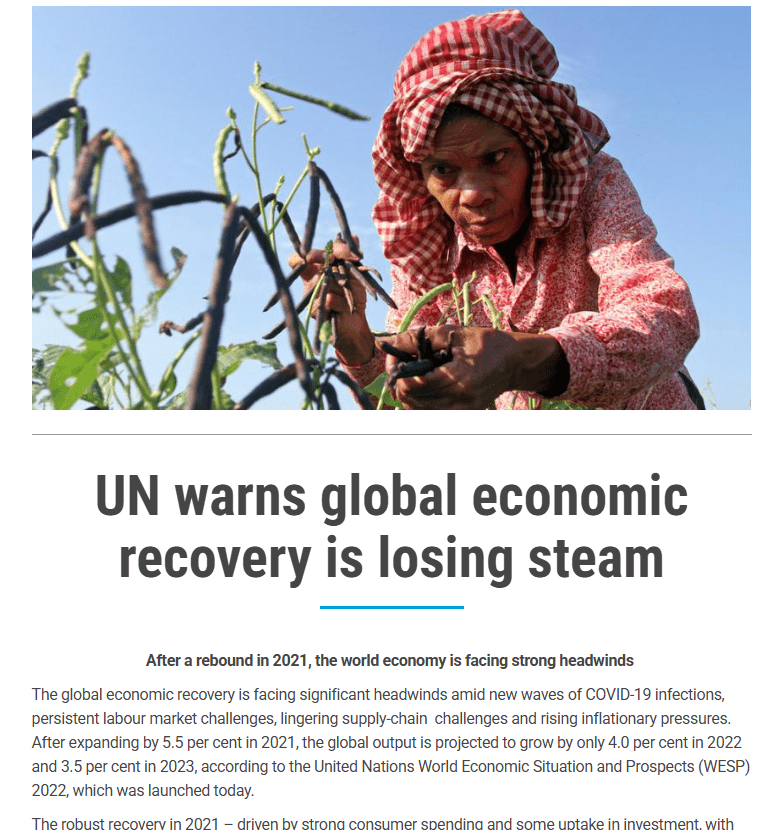
International Organization Announcements
The first source should be the official website of the organization involved. The United Nations provides an official document system containing resolutions, reports, meeting records, conference summaries, treaties, and other documents. Its Official Document System provides full-text access to documents from bodies such as the General Assembly and Security Council.
WHO also maintains a newsroom containing different types of official material, including news releases, statements, departmental updates, press conferences, and audiovisual content.
The document type should be identified before using it as evidence. A press release may summarize an announcement, while a technical report may contain detailed data and methodology. For each important source, record the document title, document number, publication date, responsible department, URL, and revision status.
The World Bank’s Documents & Reports database is a useful example of this approach. Its official database contains final and official documents and reports and provides searchable information such as document type, document date, author, title, project ID, and keywords.
Recording these details makes it easier to compare the original announcement with later media summaries.
Local and International Media Coverage
Media reports should be selected according to their reporting position rather than simply by the number of articles available.
Local media can provide information from the country or area directly affected by an event. International news organizations can provide broader diplomatic or cross-border context, while regional or specialist publications may provide more detailed coverage of a particular market or policy area.
The reporter’s identity and reporting location are therefore important. Record the reporter’s name, publication, bureau or regional desk when available, and the sources used in the article.
The Associated Press, for example, describes a reporting network covering 230 locations in nearly 100 countries. This illustrates why the reporter’s location can be useful when assessing whether an article has a local reporting basis.
Several websites may also reproduce the same wire-service report. Such articles should not automatically be counted as independent confirmation. Similar wording, identical quotations, and the same unusual details may indicate that multiple publications are relying on the same original report.

Publication Timing and Update History
The order in which information appeared is essential when reconstructing an international news story.
Record the original publication time, official announcement time, and later update or correction time whenever these details are available. A report published before an official announcement may contain preliminary information, while an article updated several hours later may include facts that were unavailable when it was first published.
AFP provides a useful example of transparent update practices. Its correction policy states that factual corrections are accompanied by a note explaining the change and the date of modification. AFP also identifies updates, clarifications, and new information added after publication.
This makes it important to distinguish an article’s original version from its current version. If a publisher does not provide a clear revision history, that limitation should be recorded rather than assumed away.
A simple timeline can include:
Initial media report → Official announcement → Local response → International coverage → Article update → Correction or follow-up statement
This timeline helps determine which information was confirmed at each stage.
Direct Statements and Media Interpretation
An important distinction in international news research is the difference between what an organization actually said and what a journalist concluded from it.
For each major claim, locate the original paragraph, statement, report, or recording. Then separate:
- Direct quotations from officials
- Official statistics
- Statements made by the organization
- Reporter interpretation
- Expert commentary
- Predictions or conclusions added by the article
Translated quotations require additional care. Compare the published translation with the original-language statement and check whether conditions, time periods, geographical limits, or exceptions were removed.
Official video can provide another verification path. UN Web TV is the United Nations’ official streaming platform for live and on-demand coverage of meetings and events.
However, the UN’s public transcript tool states that its automatically generated transcripts are not official UN records. Researchers should therefore use them as a convenient way to locate a statement, then verify important quotations against the original recording or official document.

Cross-Coverage and Conflicting Reports
Comparing several reports should focus on differences in evidence rather than differences in headlines alone.
Check whether reports disagree about:
- Statistical figures
- Dates
- Responsibility for an event
- The scope of an announcement
- Direct quotations
- The level of certainty
When a conflict appears, expand the verification path to relevant national agencies, government statistics, official meeting records, follow-up statements, or later corrections.
If the evidence still does not establish which version is correct, record the issue as conflicting or unconfirmed. Include the sources that disagree, the additional sources examined, and the reason the issue remains unresolved.
This is better than selecting one report simply because it comes from a well-known publication.
Research Records
A concise research record can contain:
| Item | Information |
|---|---|
| Primary source | Organization, document title, number and URL |
| Publication details | Date, time and responsible department |
| Media source | Publication, reporter and bureau |
| Timeline | Original publication and update times |
| Quotation | Original statement and published translation |
| Comparison | Agreements, differences and omitted context |
| Verification | Government data, official records or video |
| Status | Confirmed, partially confirmed, conflicting or unconfirmed |
Professional databases can support this process when older or international coverage is difficult to locate. ProQuest Global Newsstream provides access to nearly 2,000 full-text sources, including newspapers, newswires, broadcast transcripts and websites, with archives extending back to the 1980s.
Reliable international-news research depends on a clear evidence trail. Start with the organization’s original publication, record its document details and revision status, then compare local and international reports based on their reporting positions.
Publication times help distinguish preliminary reporting from information added later. Direct quotations should be compared with original statements, while translated passages should be checked for missing conditions or changes in meaning. When reports conflict, additional government data, official records, videos, and follow-up statements can provide another verification path.
Most importantly, unresolved differences should remain visible in the research record. The purpose is not simply to find an article that appears trustworthy, but to establish what was officially stated, who reported it, when the information appeared, how it was interpreted, and which parts remain uncertain.